

A shared language of the psyche
Explore how archetypes from Greek mythology connect astrology and Jungian psychology, revealing patterns of personality, growth, and self-awareness.
One of the cornerstones of astrology is Greek mythology, which is fundamentally built on archetypes. These archetypes represent universal patterns of human behavior, motivation, and inner experience.
Several years ago, I read a powerful book by Jean Shinoda Bolen1, Goddesses in Everywoman. The book deeply resonated with me — not only on a psychological level, but also through the lens of my astrological knowledge and how we understand personality through the natal chart.
Archetypes as a bridge between Astrology and Psychology
What struck me most was how closely Bolen’s work aligns with astrological archetypes. In astrology, we also work with these same symbolic forces — expressed through the planets, asteroids and centaurs in the natal chart.
Each archetype represents a specific energy:
- Where in our life does this energy operate naturally?
- Is it expressed freely, or is it blocked?
- Are we using it in our own interest — or working against it?
The natal chart offers a symbolic map of how these archetypal energies are distributed within us. Some are dominant and highly active; others remain dormant, underdeveloped, or constrained. Understanding this balance gives us deeper insight into personality, motivation, challenges, and growth potential.
In astrology, we mostly use the Roman names of the Greek gods and goddesses, as the planets themselves are named after their Roman counterparts. However the underlying archetypes remain the same — timeless expressions of the human psyche.
Jung, mythology, and the collective unconscious
As Jean Shinoda Bolen writes in the foreword of Gods in Everyman:
“When I speak of the gods that dwell in men, I have observed that these same gods are also present in women; and when I describe the goddesses that dwell in women, many men can identify a part of their inner world with these goddesses. The gods and goddesses represent different qualities of the human psyche.”
This understanding strongly mirrors astrology. Every natal chart contains all planetary archetypes, regardless of gender. What differs is their strength, placement, and connection — which determines how consciously and effectively we can access and express them.
What is an archetype?
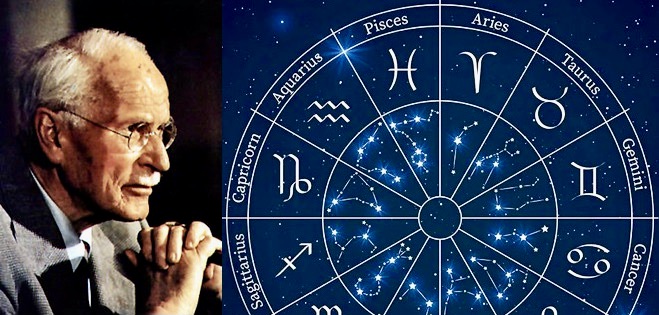
Carl Gustav Jung introduced the concept of archetypes; he described them as universal patterns residing in the collective unconscious. Archetypes appear across cultures in myths, stories, and symbols, shaping how we perceive ourselves and the world around us.
By recognizing archetypes within ourselves, we gain awareness of recurring patterns in our behaviour, relationships, and life choices. This awareness is often the first step toward meaningful personal growth.
What’s coming next?
In this upcoming series, I will explore the main archetypes in depth:
- How does astrology understand them
- How does Jungian psychology interpreted them
- What modern psychological research reveals about them
- How these archetypes show up in everyday life and personal development
My hope is that through this series, you’ll begin to recognize your own dominant archetypes — and better understand how to work with them consciously rather than let them work unconsciously.
Further reading
If you’d like to explore this topic further, I highly recommend:
- Goddesses in Everywoman
- Gods in Everyman
- Goddesses in Older Women
by Jean Shinoda Bolen - The Greek Myths by Robert Greaves
Her work offers a profound bridge between mythology, psychology, and self-awareness.
- Jean Shinoda Bolen, M.D., is a psychiatrist, Jungian analyst, and internationally recognized author and speaker. She is a Distinguished Life Fellow of the American Psychiatric Association, a Diplomate of the American Board of Psychiatry and Neurology, and a former clinical professor of psychiatry at the University of California Medical Center. Her work bridges mythology, psychology, and lived human experience in a way that feels both grounded and timeless. ↩︎




What are your thoughts on the topic?