

When “Wanting a Man, Not a Baby” backfires
Unrealistic expectations in relationships are one of the most common — and least discussed — reasons why pair-bonding can feel frustrating, disappointing, or emotionally draining.
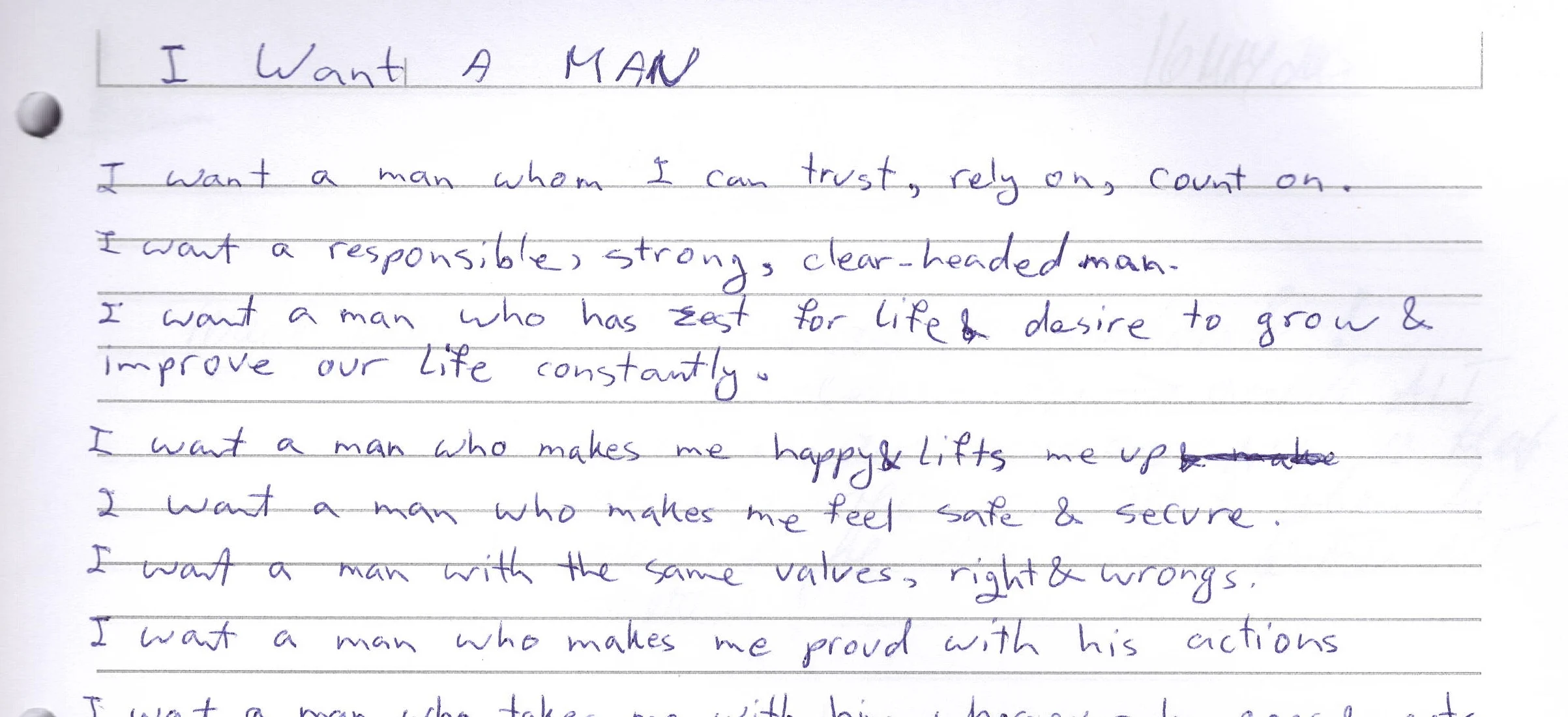
“I want a man, not a baby.”
I once came across this sentence at the end of a long list written by a woman in her late thirties. The list was titled something like “The Type of Man I Want”. While I no longer remember most of the items, that final statement stayed with me.
I remember raising an eyebrow in genuine surprise. It was hard to believe this had been written by a grown woman. Later, when I was asked what I thought about the list, my response came instantly:
If you want a man, don’t carry the expectations of a baby girl. Because with those expectations, you are far more likely to attract exactly what you don’t want — a baby, not a man.
The problem with unrealistic relationship expectations
What stood out most was that many of the qualities on the list were mutually exclusive. In theory, a single person might display all of them, but in reality, we often describe such extremes as emotional instability.
And that raises an important question:
Do we genuinely want a partner who is emotionally unbalanced, or are we unconsciously setting ourselves up for disappointment?
The honest answer is usually: No.
Yet many people approach dating with long mental checklists. Expecting emotional maturity, constant availability, strength, sensitivity, independence, and dependency all at once. These contradictory expectations make healthy relationships difficult to form and even harder to sustain.
Why we create mental checklists in dating
In this mini-series on unrealistic expectations in romantic relationships, I explore the lists we create — consciously or unconsciously — when meeting a potential partner.
- Why do we rely on rigid expectations in dating?
- What issues do these expectations create in real relationships?
- Is it possible to let go of unrealistic standards without settling?
To broaden the conversation, I’ve also invited a representative of the other gender to share their perspective and lived experience.
Together, we’ll explore where these expectations come from — and where they lead us.
Enjoy.




What are your thoughts on the topic?